


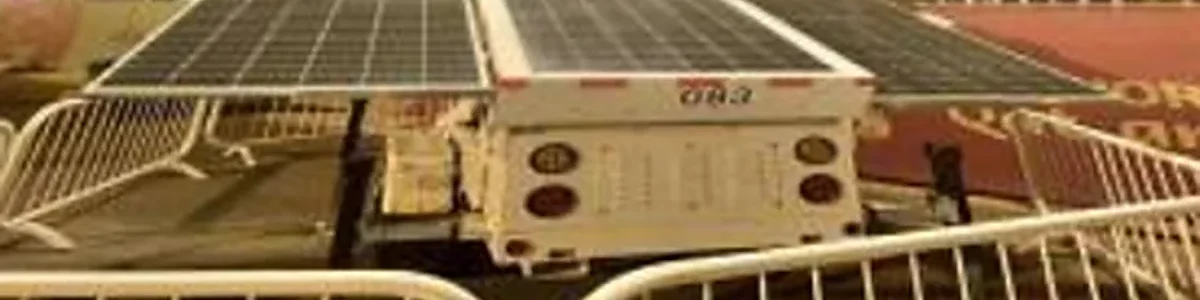
A solar irrigation pump is the simplest off-grid system there is, and the one that fails most often — because the pump’s start-up surge is forgotten, and the battery is sized on the panel’s best day.
What the pump needs
| Pump | Running | Start surge |
|---|---|---|
| 0.75 kW borehole | 12–16 A at 48 V | 3–4× running |
| 1.5 kW surface pump | 25–32 A at 48 V | 2–3× running |
| 3 kW submersible | 50–65 A at 48 V | 2–3× running |
Direct-on-line motors draw up to six times running current for a fraction of a second. The BMS and contactor must be rated for the surge, not the running load — the most common specification error on these systems.
How to size the bank
1. Daily energy. Pump hours × running kW. Three hours at 1.5 kW is 4.5 kWh.
2. Autonomy. One to two cloudy days is usual for irrigation, more where water storage is limited.
3. Divide twice. By 0.8 usable depth, then by the derating at the site’s hottest or coldest design point.
Heat and dust
Farm cabinets sit in the sun. Sodium tolerates a wide ambient range, but a cabinet in direct sun still needs ventilation and shade — the pack is not the weak point, the enclosure is.
Where it does not pay
A grid-connected pump. Two hours a day on mains is cheaper than any battery system.
Very small pumps. Under about 0.5 kW, a direct solar pump without a battery is simpler.
Questions buyers ask
Do I need a soft starter?
It helps. A soft starter reduces the surge the pack and contactor have to survive.
Can the pump run directly from panels?
Yes for daytime-only irrigation. A battery adds the ability to pump in the evening and on cloudy days.
What about the borehole depth?
Deeper bores need more lift energy. That is a pump curve question before a battery question.
Will it work in winter?
Discharge yes; charging needs the pack above its floor. Irrigation is usually seasonal, which suits sodium well.