Skip to content
New product 12 V 100 Ah sodium-ion truck starting battery, 1500 CCA, Group 31T See the launch →

Design & integration

One pack, specified end to end

Cell, BMS, structure and thermal barrier designed together — then built, tested and shipped with the documents your market asks for. Sodium-ion only, so the chemistry is never the variable.

Home / Design & Integration

What you bring

  • The envelopeBay size, mounting points, connector position — a sketch or a STEP file is enough.
  • The loadContinuous and peak current, duty cycle, expected run time.
  • The climateCharge and discharge temperature range, IP requirement, altitude.
  • The marketWhich certification the pack has to carry where it is sold.

What you get back

  • Cell selectionTwo or three candidates from the catalogue with the derating for your temperature.
  • BMS specificationCurrent rating, threshold table, balancing, protocol, connector pinout.
  • Pack drawingEnclosure, busbar, insulation and fixing list — the pack closes on paper first.
  • Landed priceUnit price, tooling, sample cost and freight, called out separately.

One working day for the first answer. Send the brief →

Four layers, one specification

Most projects change two or three of these at once. Specifying them separately is how a pack ends up 4 mm too tall.

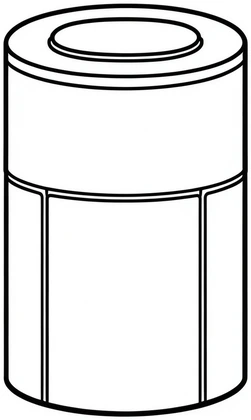
Cell

Sodium-ion chemistry, form and rate

  • Capacity0.65 – 352 Ah
  • FormCylindrical · prismatic · pouch
  • Continuous rate1C – 60C
  • CathodeOxide · Prussian white · NFPP

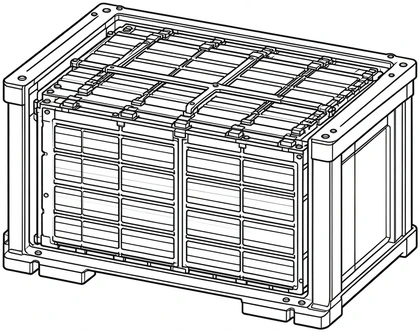
Structure

Enclosure, compression, fixings

  • EnclosureABS · PC · aluminium · stainless
  • SealingIP54 – IP68
  • CompressionEnd plates + tie rods, preload specified
  • ToolingExisting shells first, new mould only if needed

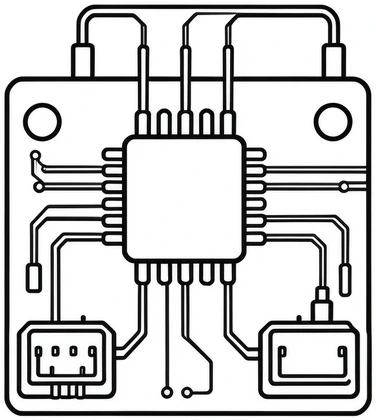
BMS

Protection, balancing, data

  • Configuration3S – 18S
  • Current40 A – 320 A continuous
  • ThresholdsSet per cathode, not copied from a lithium board
  • CommsCAN · RS485 · UART · BLE

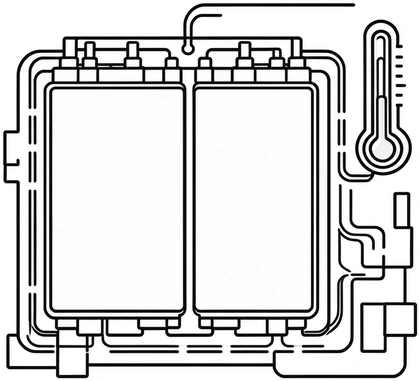
Thermal & compliance

Barrier, venting, paperwork

  • BarrierAerogel between cells, mica near hot parts
  • CushionCeramifiable silicone foam
  • DocumentsDatasheets · test report · MSDS · UN38.3
  • TraceabilityBatch and serial range recorded per pack

How a pack gets built

Five stages. Each one ends with a document you approve before the next starts — nothing moves on a verbal yes.

01

Concept

3–5 days

  • Cell shortlist with derating
  • BMS rating and threshold table
  • Rough envelope and weight

You approve: the specification

02

Sample

10–15 days

  • One to three sample packs
  • Capacity and rate check
  • Photographs before shipping

You approve: the sample build

03

Validation

3–4 weeks

  • Cycle and temperature runs
  • Sealing and drop checks
  • Drawing revision after findings

You approve: the test report

04

Pilot

20–25 days

  • Small batch on the line
  • Fixture and process frozen
  • First-article inspection

You approve: the pilot batch

05

Production

30–40 days

  • Batch build to the frozen process
  • 100% voltage and IR screening
  • Documents packed with the goods

Shipped with the serial list

Ranges are what we quote against; the actual figure is fixed in the quotation. New tooling adds about 25 days to the sample stage.

Standards and who holds what

Two columns, because the difference matters when your customer asks for the file.

StandardCoversWho holds it
UN38.3UN 38.3Transport of cells and packsCell maker — test summary supplied with every shipment
IEC62133IEC 62133-2Portable sealed cell safetyCell maker — certificate passed on
IEC62619IEC 62619Industrial battery safetyCell maker for the cell; pack design follows the clause list
UL2054UL 2054 / UL 1973US portable and stationaryCell maker where held — we will tell you if it is not
GB31241GB 31241China portableCell maker
IEC60529IEC 60529 (IP)Enclosure sealingUs — specified on the drawing and checked on the sample

If your project needs a standard we cannot document, we will say so before you place an order rather than after.

Reference builds

Configurations we build from stock parts — the starting point for most projects.

Questions we get before the first call

Can you build around cells we supply?

No. We buy and trace every cell that goes into a pack, so we cannot accept consignment stock — an untraceable cell is the one part of a pack we cannot stand behind.

What is the smallest order?

Samples start at one pack. Production runs are quoted per project; there is no fixed MOQ on the page because it depends on whether the enclosure already exists.

Do we need a new mould?

Usually not. Most projects start from a stock shell — ABS, PC, aluminium or stainless — and change the lid, terminals and internal rails. A new mould is only quoted when nothing in the range fits your envelope.

Who owns the drawings?

Your drawings stay yours, and we do not share them outside the build. Tooling built specifically for your project is quoted separately so ownership is explicit in the quotation.

Can you match a pack we already buy?

Yes — send the drawing or the pack itself. Matching an existing envelope is the most common starting point, and it avoids a tooling cost entirely.

What happens if a cell fails incoming inspection?

It goes back to the supplier. It does not go into a pack at a discount, and it does not appear in the catalogue.

Still deciding?

Send the drawing, or the pack you already buy. Matching an existing envelope is the cheapest starting point, and it avoids tooling entirely.

Request a quote

Have the envelope and the duty cycle? The tools turn them into series, parallel, case fit and a parts list before you send anything.