About Polytone
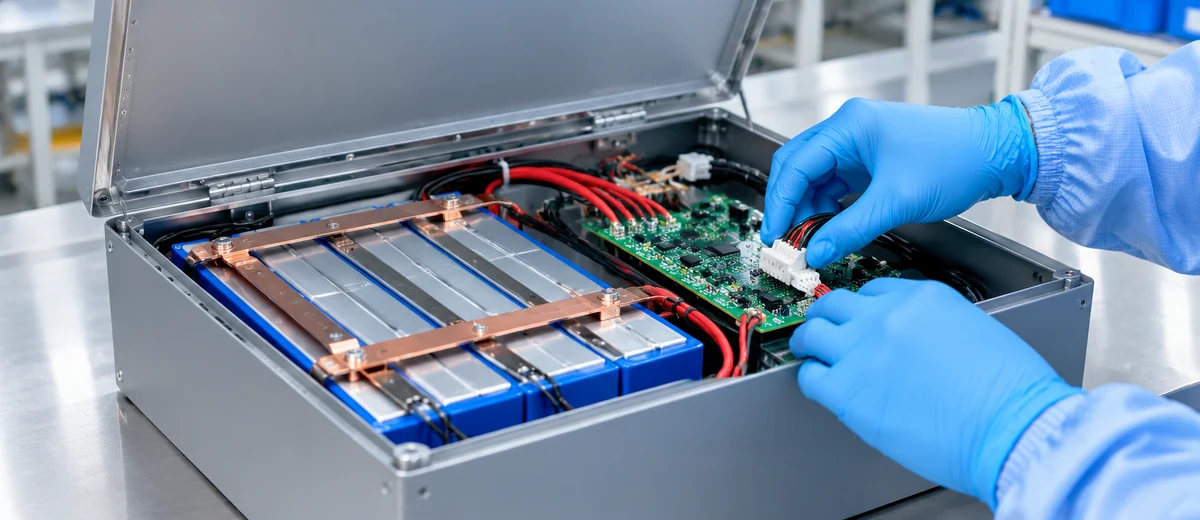
Polytone is the sodium-ion battery business of Polytone Technology Co., Ltd., founded in Shenzhen in 2010. We integrate systems rather than sell cells on their own: cell selection, BMS matching, structure, thermal management and the documentation that goes with them, specified as one pack for customers who need a battery built around their working conditions. This page is the short version of who we are and how we work; the quality page covers the documents, and the cell database covers the data.
Our story
The company started in 2010 supplying printer consumables and copier parts. Our customers ran UPS systems beside their print equipment, and their requirements were unforgiving: the power had to hold at whatever temperature the room reached, for as long as the equipment was expected to last. Stability, safety and tolerance of a bad environment were not features on a comparison table — they were the reason the customer called.
Those projects started the battery division. What began as backup power grew into start-stop batteries for vehicles, then into commercial and industrial storage, residential storage and traction packs. Fifteen years of that work taught us where packs actually fail: not on the datasheet, but in a cold warehouse, on a hot roof, and in the third year of a duty cycle nobody modelled.
The catalogue is now sodium-ion only, and that decision is the most useful thing we have done for our customers. One chemistry means one set of BMS thresholds, one body of test data, and a straight answer when someone asks which cell to use.
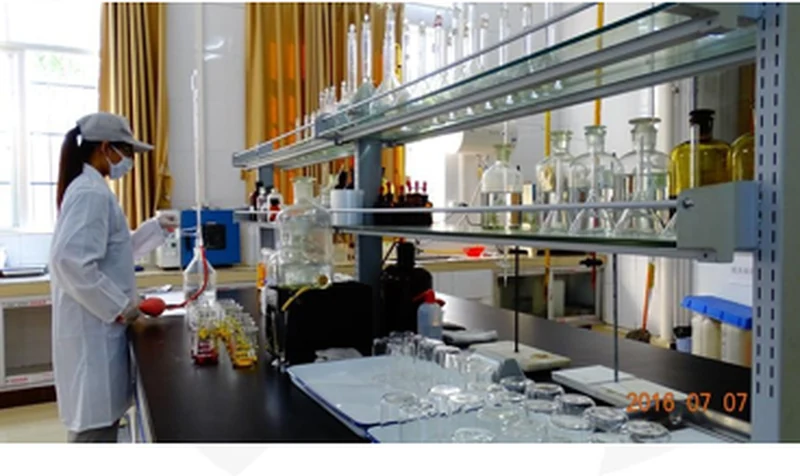
R&D centre (the gene)
Our own engineering team and a complete development system: cell selection, BMS configuration and pack design are developed in-house, not assembled from someone else’s files.
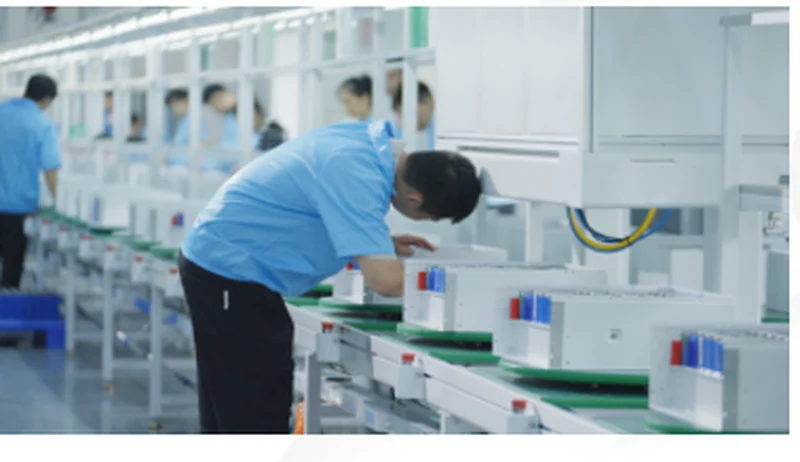
Incoming inspection (the source)
Every batch is tested before it enters the line, on imported test equipment, so a material problem is caught at the door rather than in a finished pack.
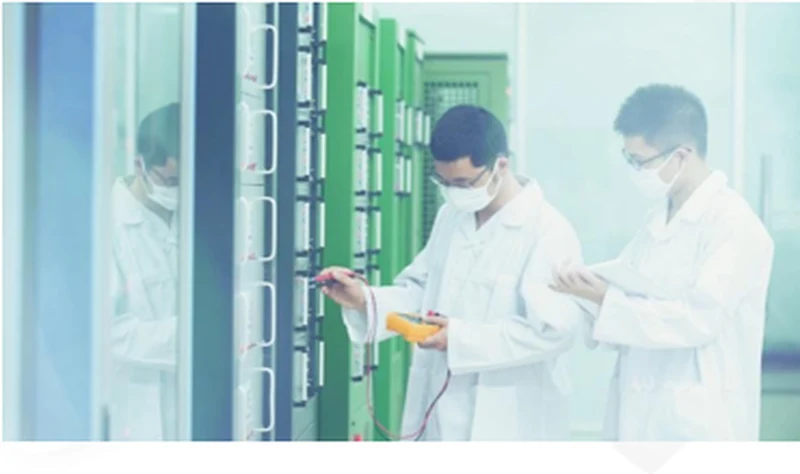
Quality control (the process)
Capacity, internal resistance and temperature recorded per batch, and fed back into the next design iteration instead of sitting in a file.
What we build
Sodium-ion is not a cheaper imitation of lithium. It is a different set of trade-offs, and it wins where the trade-offs matter: discharge down to −40 °C with charging from −20 °C on selected cells, a chemistry that tolerates abuse with lower thermal risk, 3,000–10,000 cycles depending on the cell, and a cost per kWh that does not depend on lithium or cobalt. It is also heavier per kWh than LFP — on a tight envelope in a mild climate we will say so rather than sell around it.
- Cells and packs — cylindrical, prismatic and pouch, 0.65 Ah to 352 Ah
- Materials — cathode powders, hard carbon, electrode sheets, electrolyte, separators
- Electronics — protection boards from 3S to 18S, slave boards, harnesses
- Structure — enclosures, end plates, cell holders, busbars, thermal barriers
- Integration — a pack specified across all of the above, built and documented
How we work
Derate before sizing
Temperature, continuous current and duty cycle are applied before a cell is chosen. The reliability habit came from UPS work, where the system is judged on the one day the grid fails.
One specification
Cell, BMS, structure and thermal are written together. A pack that closes on paper is the only one that closes inside the enclosure — 4 mm too tall is a redesign, not a tolerance.
Documented, then built
Requirement sheet signed, drawings approved, sample tested, then volume. Batch and test data travel with the goods, so a question in year three still has an answer.
Where we work
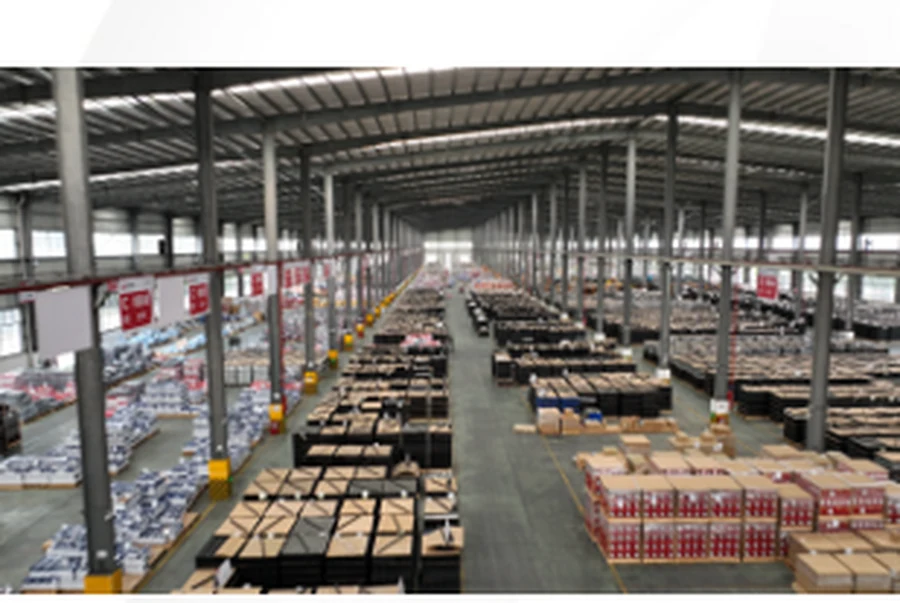
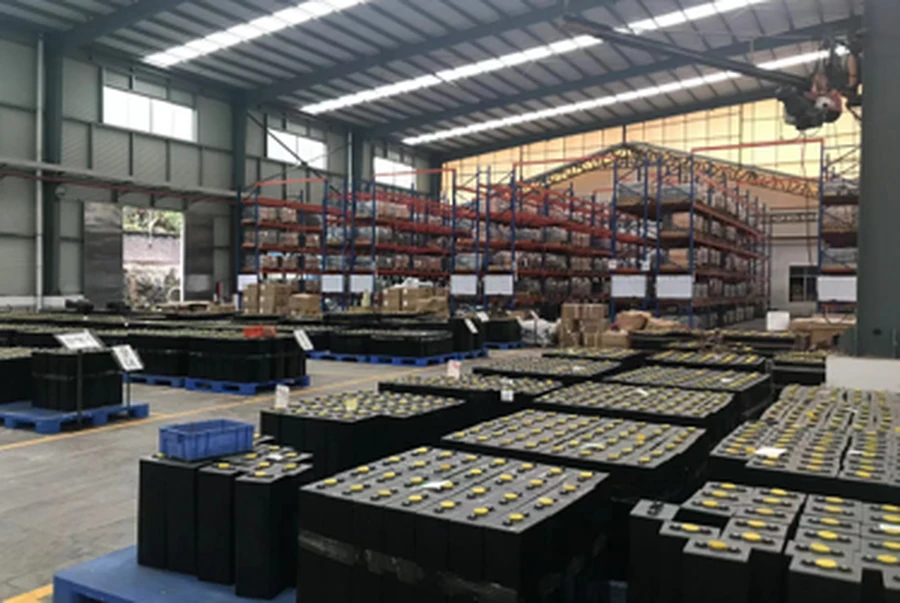
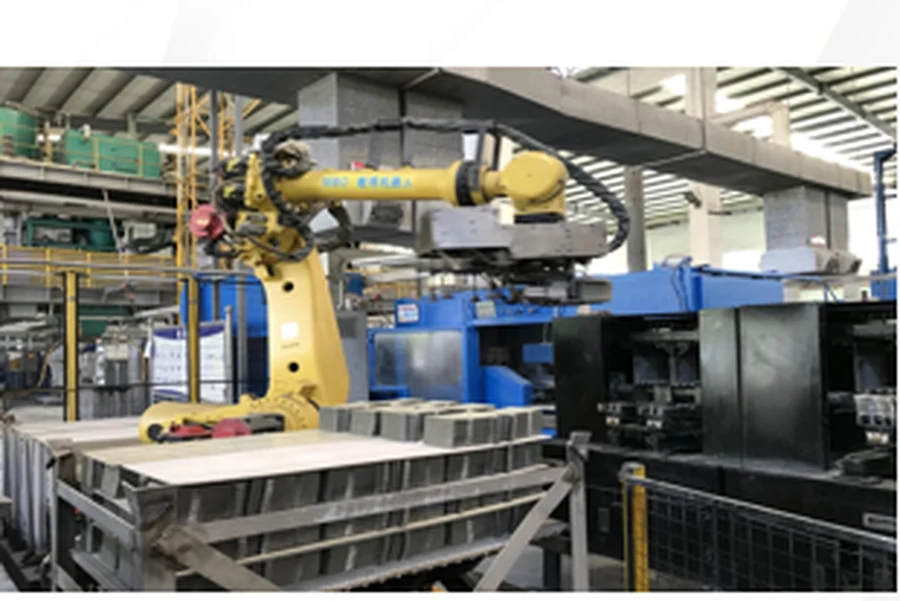
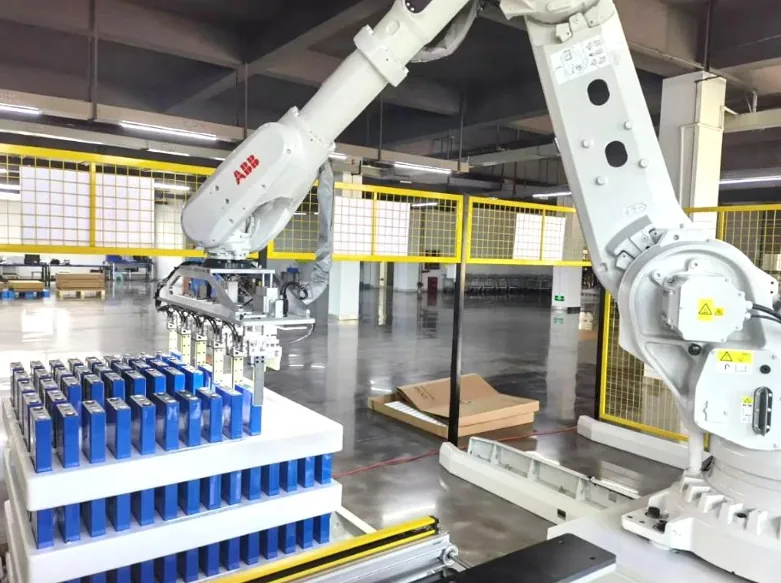
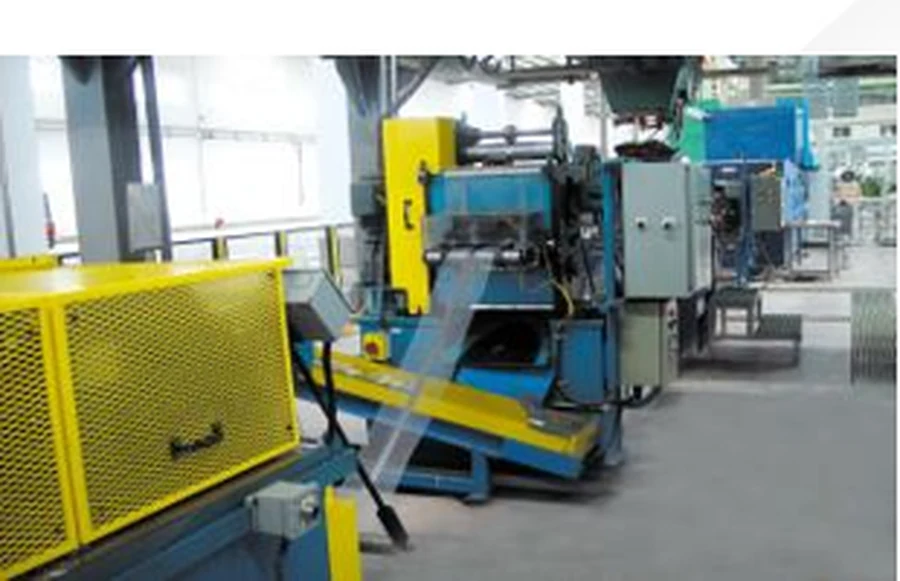
Design and operations sit in Shenzhen: the engineering, commercial and project-management teams are all in one place, so a specification question and a delivery date are answered by the same office. Production runs across three sites — Dongguan, Guangzhou and Hunan — each set up with different equipment for a different part of the process rather than duplicating one line three times.
Every pack goes through final assembly, capacity testing and packing before it is cleared for export, against one quality standard rather than a site-specific one. That is what keeps a unit built in Hunan and a unit built in Dongguan interchangeable.
 All batteries
 Sodium-ion cylindrical cells
 Sodium-ion prismatic cells
 Sodium-ion pouch cells
Compare all cells →