


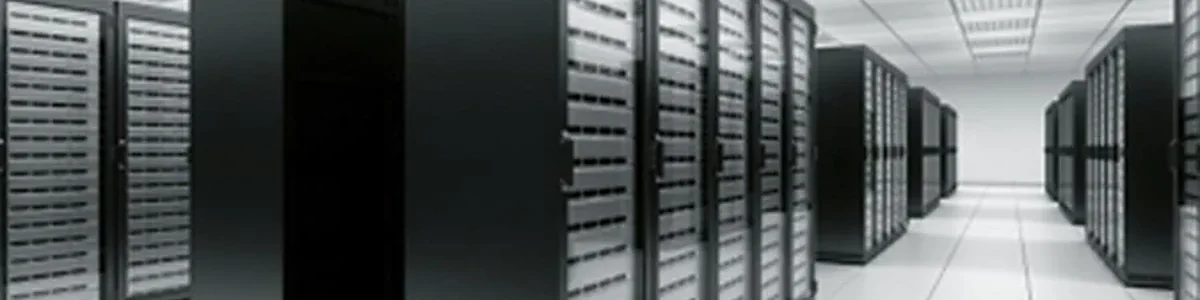
A rack BBU holds up a server for the seconds between a power event and the generator taking load. It is a power device with a tiny energy requirement and a very high reliability requirement.
What a BBU has to do
| Rack class | Backup power | Duration | Pack |
|---|---|---|---|
| Standard server rack | 3–10 kW | 1–5 min | 0.1–0.5 kWh |
| GPU / AI rack | 20–60 kW | 1–3 min | 0.5–2 kWh |
| Edge cabinet | 1–5 kW | 5–30 min | 0.2–1.5 kWh |
How to size the unit
1. Hold-up time. The time between the power event and the generator, plus a margin for transfer. Usually 60–180 seconds.
2. Rate. 60 kW from a 2 kWh pack is 30C. The cells must deliver that repeatedly without derating in a hot aisle.
3. Rack space. Anything above 3U competes with servers, which is why power density per U decides the product more than energy does.
Rate, not capacity
That is ordinary for high-rate sodium cells and difficult for energy-optimised lithium. The design question is whether the cells can deliver the current repeatedly, and whether the board and busbar survive the same pulse.
Heat and density
The battery sits in the same room as the servers, so its own heat adds to the cooling load. A chemistry with a wider temperature window reduces the derating you have to design around, but it does not remove the need to measure the aisle temperature.
Where it is the wrong choice
A commodity BBU inside a branded server. The buyer will not change supplier.
A cost-only tender. Where the unit is bought on price per kWh, an energy-optimised cell wins.
Questions buyers ask
What rate does a 60 kW rack need?
Around 1,400 A at 48 V. That is why BBU packs are small and high-rate rather than large and energy-dense.
Can it charge from the rack supply?
Yes, with a charger sized for the recharge window. Fast recharge matters if events repeat.
Does it report to the DCIM?
Only if the BMS speaks the protocol. Specify PMBus, CAN or RS485 with the requirement.
Is sodium safer here?
A higher thermal runaway onset helps the risk case, but the enclosure and detection still decide the outcome.