


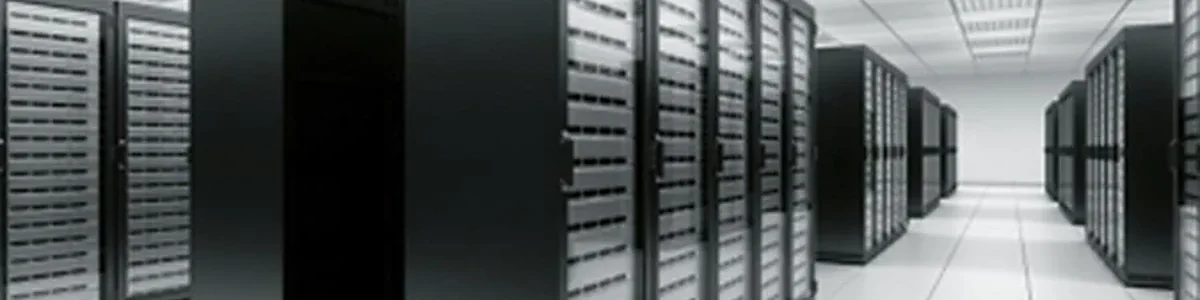
A telecom cabinet on a pole and a UPS room in a data centre have the same duty: sit at full charge for years, then deliver a large current for a short time without warning. The difference is the temperature they sit in.
The duty nobody designs for
Backup strings spend almost their whole life at float. Capacity loss in that state is calendar ageing, driven by temperature and state of charge — not by cycles. A string kept at 100% in a 35 °C cabinet loses capacity faster than one cycled daily at 25 °C.
Sodium tolerates a wider temperature window and does not need heating to sit ready, which matters in an outdoor cabinet in a cold region.
What the site actually needs
48 V strings are the standard. A 10–40 kWh bank covers most macro sites; a data centre UPS is a different scale and a different conversation about redundancy and switchover time.
The BMS has to report state of health, not just voltage, because the operator’s question after year four is “will it still carry the load for the rated time”.
Replacing a lead-acid string
Lead-acid is cheap to buy and expensive to own: it needs a controlled float voltage, it loses capacity in the cold, and it is replaced on a schedule regardless of condition.
A drop-in sodium string changes the maintenance model as much as the chemistry — no watering, no equalisation, a longer replacement interval, and a BMS that can tell you the state of health remotely.
What to specify
Autonomy hours, load profile, ambient range, communication protocol and the reporting the operator needs. Those five decide the string; the chemistry only decides the envelope around them.
Ask for a capacity-versus-time curve at your ambient temperature, not a room-temperature rating.
What fits a 48 V rack
A 75 Ah prismatic cell at 3.0 V gives 16S for a 48 V string. An 18 Ah 46145 reaches 3,000 cycles at 0.5C in the same nominal voltage. Both sit in racks designed around lead-acid blocks, which is why form factor and terminal layout decide more than capacity does.
Where to go next
Questions we get asked about this
How long do sodium strings last at float?
Calendar ageing dominates. Published figures commonly put usable life at 8–12 years at 25 °C, shorter in a hot cabinet.
Can it replace a lead-acid string directly?
In many 48 V sites yes — same nominal voltage, same rack space, but the float and equalisation settings must change.
What reporting should the BMS give?
State of health, internal resistance trend and cell temperature, so the operator can predict a replacement instead of discovering a failure.